
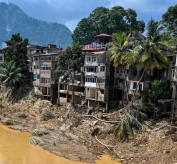

MSME Recovery in Post-Ditwah Sri Lanka: Turning Geographic Data into Action
The recent cyclonic storm Ditwah disrupted micro, small, and medium enterprises (MSMEs) islandwide, caused by production disruptions, infrastructure damage (including roads and mobile networks), supply-chain interruptions, and reduced access to markets. Rapid responses were necessary for the MSME sector to restart business operations and reconnect to markets. In fact, the effects of Cyclone Ditwah might amplify preexisting vulnerabilities in the MSME sector, including a heavy debt burden, informality, susceptibility to domestic demand shocks, and limited technical capacity to build climate resilience.
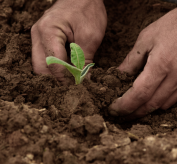
Sri Lanka’s Food Security after Cyclone Ditwah: Risk, Recovery, and Resilience
Cyclone Ditwah destroyed early-stage Maha season paddy, vegetables, and perennial crops, disrupting both current and upcoming harvests. Together, rising prices, lower production, and declining purchasing power are likely to intensify food insecurity and further undermine nutrition. Restoring transport links, supporting farmers to replant, protecting vulnerable households and strengthening climate-resilient farming are essential.
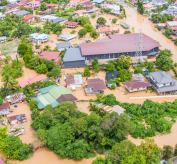
After Cyclone Ditwah: Climate-Proofing Sri Lanka’s Health System
As Sri Lanka currently counts human and economic costs of Cyclone Ditwah, the images are both disturbing and somewhat familiar: flooded hospitals, access roads buried by landslides, evacuation centres overflowing with displaced families, and officials in health and disaster management services scrambling to meet everyone’s needs. The death toll is at 355 and rising, with hundreds more missing and over 200,000 displaced, with effects being borne disproportionately in the central hills and low-lying river basins across the country. It has once again placed the spotlight on the preparedness of our disaster response ecosystem, and with climate-related disasters no longer a few and far between, Cyclone Ditwah is a tragic but predictable reminder and caution of the same vulnerabilities that have persisted for years.
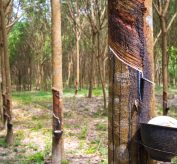
EUDR in 2025: Is Sri Lanka Ready for the EU’s New Deforestation Rules?
Sri Lanka faces a critical test with the EU’s Deforestation Regulation (EUDR) taking effect in December 2025. With rubber exports to the EU valued at over USD 330 million annually, compliance is vital. While large plantations may adapt easily, smallholder farmers who manage over two-thirds of rubber cultivation face digital and documentation challenges. Without targeted support, Sri Lanka risks losing market access, jobs, and GDP. This blog explores readiness, risks, and policy priorities for EUDR compliance.

Occupational Exposure to GenAI in Sri Lanka
The first two infographics in this blog were created with Artificial Intelligence (AI) technology, resulting in production times of mere seconds. In contrast, creating similar infographics without AI would typically require several hours of work. This illustrates how AI significantly boosts worker productivity. Nearly every sector showcases examples of AI enhancing labour efficiency. For instance, online educational content can be effortlessly generated with AI by just inputting text.
Demystifying Hawala/Undiyal – The Not So Dismal Science:[…] believed that informal fund transfer operations in Sri Lanka have expanded considerably due to the wide gap between the…