


Beyond the Crisis: Sectoral Paths to Durable Growth
The Sri Lankan economy has faced a series of external and internal shocks in recent years that weakened its long-term growth outlook. Despite defying post-crisis growth trajectories, fresh uncertainties from oil price shocks and climate-related risks suggest that the policy context to accelerate growth will be even more challenging. In this context, select policy recommendations to strengthen Sri Lanka’s economic foundations toward higher, durable growth are set out in this article. It draws on recent research by the Institute of Policy Studies of Sri Lanka (IPS), some of which is detailed in its forthcoming annual flagship report Sri Lanka: State of the Economy 2026.

Sri Lanka’s Food Security after Cyclone Ditwah: Risk, Recovery, and Resilience
Cyclone Ditwah destroyed early-stage Maha season paddy, vegetables, and perennial crops, disrupting both current and upcoming harvests. Together, rising prices, lower production, and declining purchasing power are likely to intensify food insecurity and further undermine nutrition. Restoring transport links, supporting farmers to replant, protecting vulnerable households and strengthening climate-resilient farming are essential.
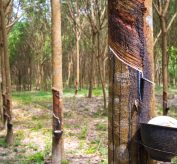
EUDR in 2025: Is Sri Lanka Ready for the EU’s New Deforestation Rules?
Sri Lanka faces a critical test with the EU’s Deforestation Regulation (EUDR) taking effect in December 2025. With rubber exports to the EU valued at over USD 330 million annually, compliance is vital. While large plantations may adapt easily, smallholder farmers who manage over two-thirds of rubber cultivation face digital and documentation challenges. Without targeted support, Sri Lanka risks losing market access, jobs, and GDP. This blog explores readiness, risks, and policy priorities for EUDR compliance.
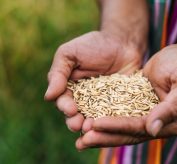
Priorities in Focus: Will Budget 2025 Address Sri Lanka’s Agricultural Challenges?
The agricultural sector in Sri Lanka has long been a pillar of the nation’s economy, yet its decline reflects a complex interplay of economic shifts, policy decisions, and underutilised potential. Agriculture’s contribution to the overall economy in Sri Lanka has gradually diminished over time, while the agricultural labour force has shrunk at a slower rate. This disparity between a declining sector and a stagnant workforce, coupled with the failure to address structural changes by improving land and labour productivity, has led to poor sector performance, particularly in terms of food security and farm income. Additionally, unproductive public spending in the form of inefficient allocation, short-term concentration, and neglect of crucial areas is an important contributory factor. In this context, it is crucial to assess whether public expenditure allocation in Sri Lanka has undergone significant shifts aimed at unlocking the agriculture sector’s potential while advancing food security and fostering rural development.
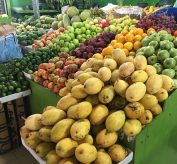
Seasonal Swings in Sri Lanka’s Mango Market: A Balancing Act with Economic Insights
Sri Lanka’s mango industry, deeply woven into the cultural fabric and dietary needs of Sri Lanka, is thriving with a 12.2% production boost and a 5% yield improvement over the past two decades. Yet, the industry is characterised by drastic seasonal price swings. Prices are currently low, and another significant drop is expected between September and January, mirroring last year’s 70% plunge in Karthakolomban mango prices. Regional production concentration has led to price disparities nationwide, highlighting the need for better demand and supply management. This blog suggests a dynamic, multi-pronged strategy to tackle seasonality over the price disparity.
Demystifying Hawala/Undiyal – The Not So Dismal Science:[…] believed that informal fund transfer operations in Sri Lanka have expanded considerably due to the wide gap between the…