
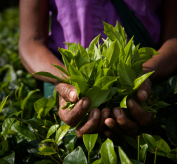

Sri Lanka’s Competitive Edge: Intellectual Property Rights and the Power of Geographical Indications
With Sri Lanka’s export competitiveness steadily declining in major destination markets amid global economic uncertainty, the need to explore innovative tools for sustaining export growth has become urgent. Improving export competitiveness is essential for robust growth. One powerful, yet often underutilised, tool in this effort is the country’s intellectual property rights (IPR) system.

Cracking the Code: Why Women’s Innovations are Lagging Behind in Sri Lanka
Despite nearly 50% of researchers in Sri Lanka being female, only 8% of patent applications issued were from women in the past five years. Many female innovators are unwilling to obtain Intellectual Property (IP) protection and commercialise their innovations for various reasons. One of the significant issues is the insufficient understanding of Intellectual Property Rights (IPRs) and their application. Given that this year’s World IP Day, observed on April 26, focuses on “Women and IP: Accelerating Innovation and Creativity”, it is timely to explore the state of women’s innovations in Sri Lanka and consider possible strategies to promote better IP protection for women’s creativity and innovations.

Creating a Culture of Creativity: The Importance of Intellectual Property Rights
The World Intellectual Property Rights Organization (WIPO) marks IP day under specific themes, and this year, it focuses on creativity in Small and Medium Enterprises (SMEs) in bringing ideas to the market. Intellectual Property Rights (IPRs) including copyrights, trademarks, Geographical Indications (GI), patents, and sui generis systems are important in protecting and fostering creativity. This blog highlights the importance of IPRs for Sri Lanka’s creative industries and offers strategies to build stronger, more competitive and resilient businesses.

The COVID-19 Crisis and Innovation: Why Intellectual Property Rights Matter
This blog highlights the importance of intellectual property rights (IPRs) in the commercialisation process and suggests some strategies to advance the commercialisation process in Sri Lanka.

Smoked Out: Why the Sale of Single Stick Cigarettes Must Be Banned
This month, the National Authority on Tobacco and Alcohol (NATA) announced the drafting of legislation to ban the sale of single cigarettes. It is a welcome move given that Sri Lanka lags behind 107 countries that have banned the sale of single stick cigarettes. This blog explains why the sale of single cigarettes must be banned without any further delay.
Demystifying Hawala/Undiyal – The Not So Dismal Science:[…] believed that informal fund transfer operations in Sri Lanka have expanded considerably due to the wide gap between the…