- Home
- Roundtable Discussion on “Ed-tech Towards Achieving SDGs”
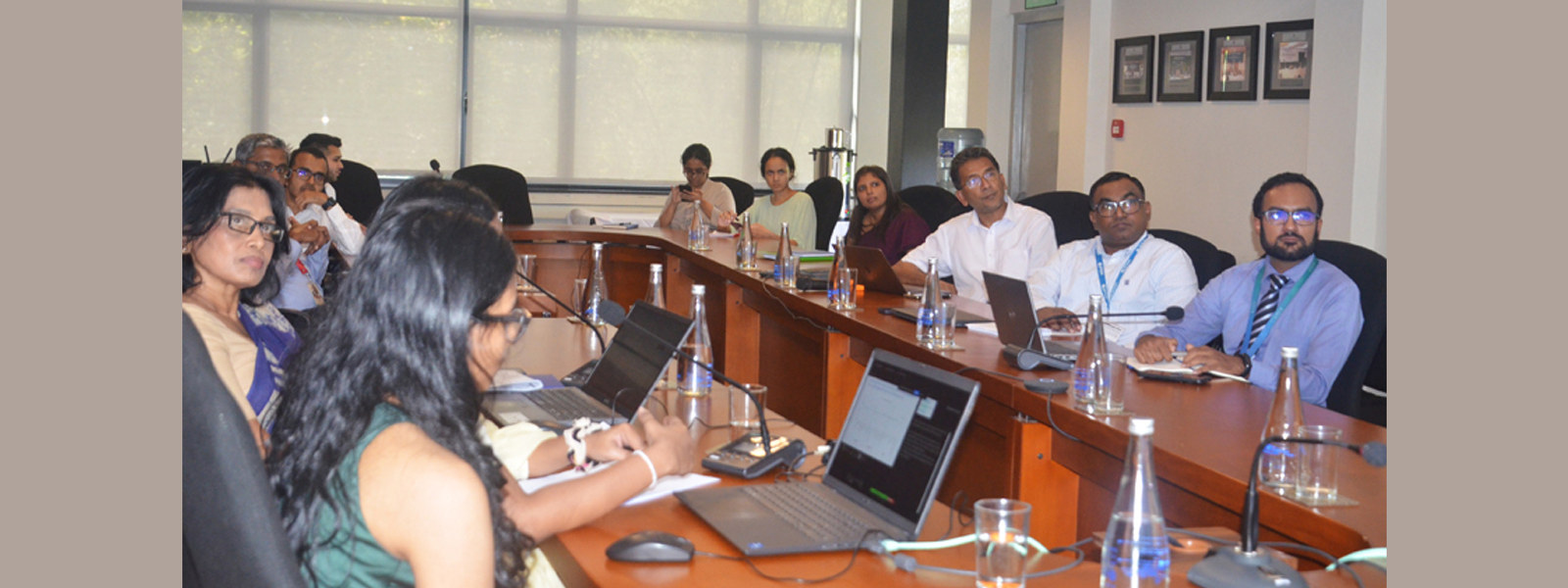
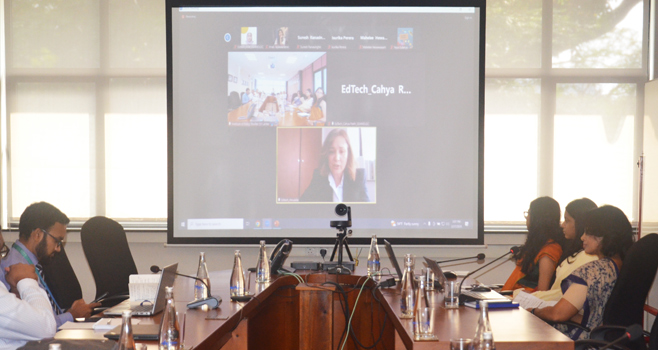
In a recent hybrid Roundtable Discussion titled “Ed-tech towards achieving SDGs,” hosted by IPS, key stakeholders explored the pivotal role of Education Technology (Ed-tech) in advancing Sustainable Development Goal (SDG) 4 – ‘Quality Education.’ This insightful discussion delved into the surge in Ed-tech adoption following the COVID-19 pandemic, underscoring the importance of leveraging technology to bridge educational gaps and promote inclusivity.
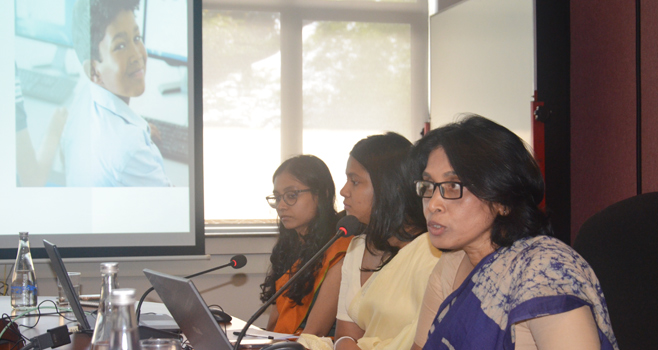
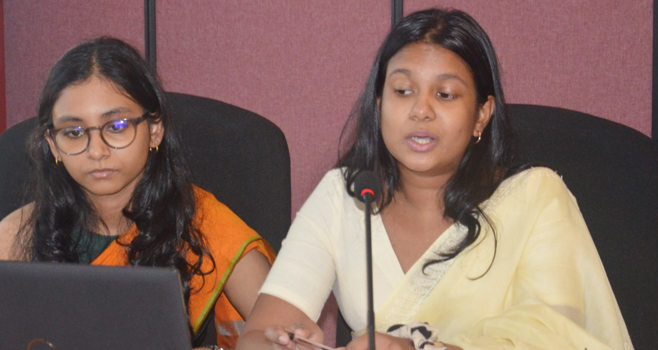
IPS Researchers Lakshila Wanigasinghe and Himani Vithanage presented findings from a recent study by IPS, Southern Voice and the Group for the Analysis of Development (GRADE) on the ‘Ed-Tech Landscape and Challenges in Asia and the Middle East & North Africa (MENA)’. The study highlighted the increasing trends in Ed-tech usage and its potential for use as a tool in achieving SDG 4 by 2030.
The study identified barriers to using Ed-tech in these regions, highlighting the challenge of low internet penetration rates in low- and middle-income countries (LMICs) as a hindrance to the use of information technology in education. South Asia, in particular, has the lowest average internet penetration rate. The study also shed light on strategic ways in which some countries have overcome these barriers. Additionally, it stressed the potential for harnessing Ed-tech facilitators to expand access to Ed-Tech.
The study also identified that many Ed-tech initiatives in these regions are multi-stakeholder partnerships/collaborations that include contributions from the private sector, public sector, and donor agencies. These collaborations, which range from public-private partnerships to donor-private partnerships, play a vital role in reducing disparities in access and quality education through Ed-tech.
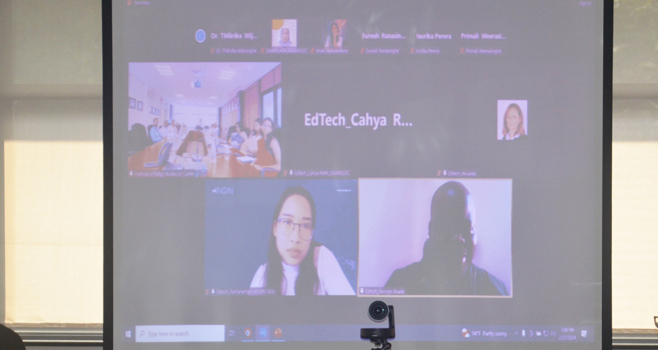
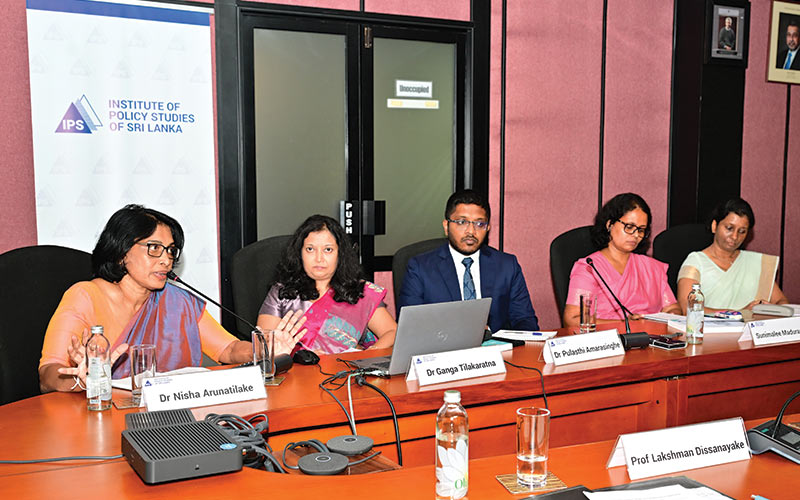
The Roundtable Discussion, moderated by IPS Director of Research, Dr Nisha Arunatilake delved into various aspects of Ed-tech development and implementation across South Asia and MENA. Speakers addressed barriers and opportunities for the expansion of Ed-tech in their countries/region, country-level policies supporting Ed-tech development, experiences with Artificial Intelligence (AI) utilisation, the importance of Ed-tech in catering to the needs of vulnerable groups, facilitators of Ed-tech expansion, and the role of regional cooperation in Ed-tech.
Download the presentation here.