- Home
- IPS Researcher Contributes to Study Highlights Value Creation as a Key to Reducing Food Loss

A new study highlights that reducing food loss in smallholder agriculture requires more than improved technologies and practices, as persistent food loss is often rooted in institutional, behavioural, and coordination challenges that limit the ability of producers and other value chain actors to recognise, create, and capture value. Drawing on multi-year research-for-development initiatives in Pakistan and Sri Lanka, the study reframes food loss as a broader value creation challenge, rather than simply a technical or logistical problem.
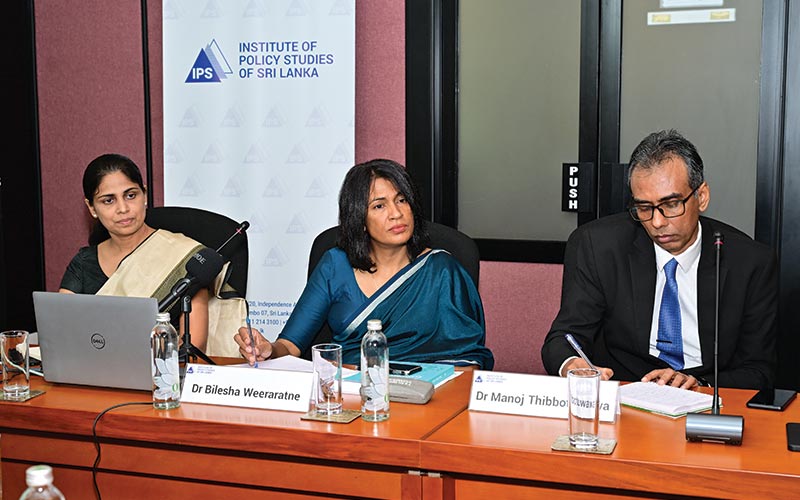
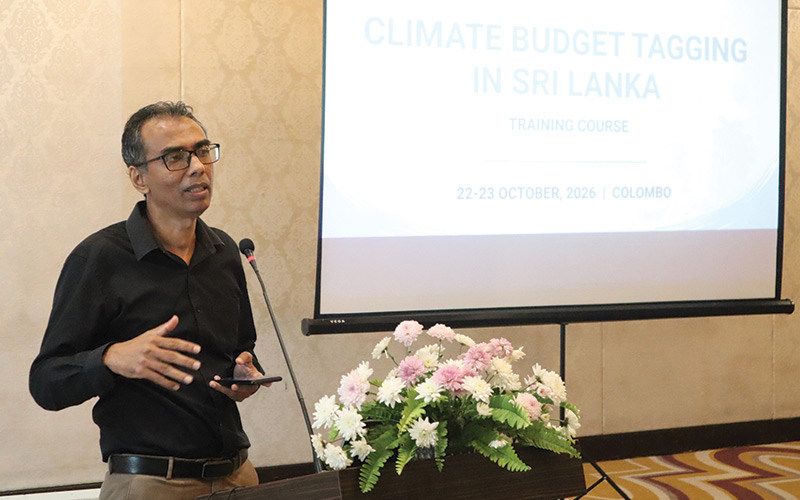
The article “Value Creation in Horticultural Systems: Insights from Value Chain Research in Pakistan and Sri Lanka” published in Frontiers in Sustainable Food Systems, was co-authored by Dr Manoj Thibbotuwawa, Research Fellow at the Institute of Policy Studies of Sri Lanka (IPS); Prof Thilak Mallawaarachchi of the School of Economics, University of Queensland; and Dr Nauman Ejaz of the International Islamic University, Islamabad, Pakistan. The study synthesises evidence from food loss assessments, stakeholder consultations, value chain research, and pilot interventions involving mango and tomato systems conducted under the ACIAR Food Loss Mitigation Project.
The paper uses the Awareness-Motivation-Capability (AMC) framework to explain why the existing solutions do not always lead to lasting change. It also introduces Food-as-a-Service (FaaS) and the Public, Private, Philanthropic, and People Partnerships (Four-Ps) approach as ways to create value and strengthen collective capacity. The findings highlight the need to go beyond technology transfer by improving market incentives, quality standards, infrastructure, skills, and coordination. These lessons are particularly relevant to Sri Lanka’s efforts to build a more resilient, competitive, and value-oriented food system.