- Home
- IPS Researchers Discuss Insights on Advancing Human Capital for Inclusive Prosperity
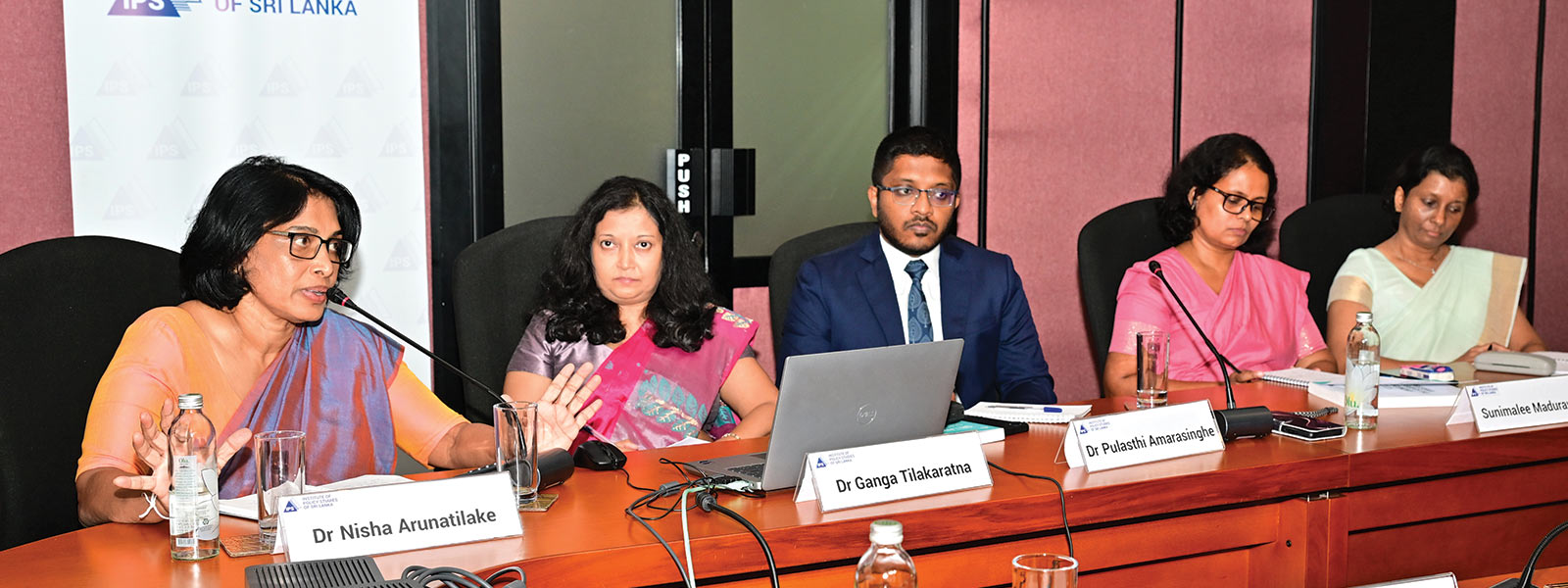
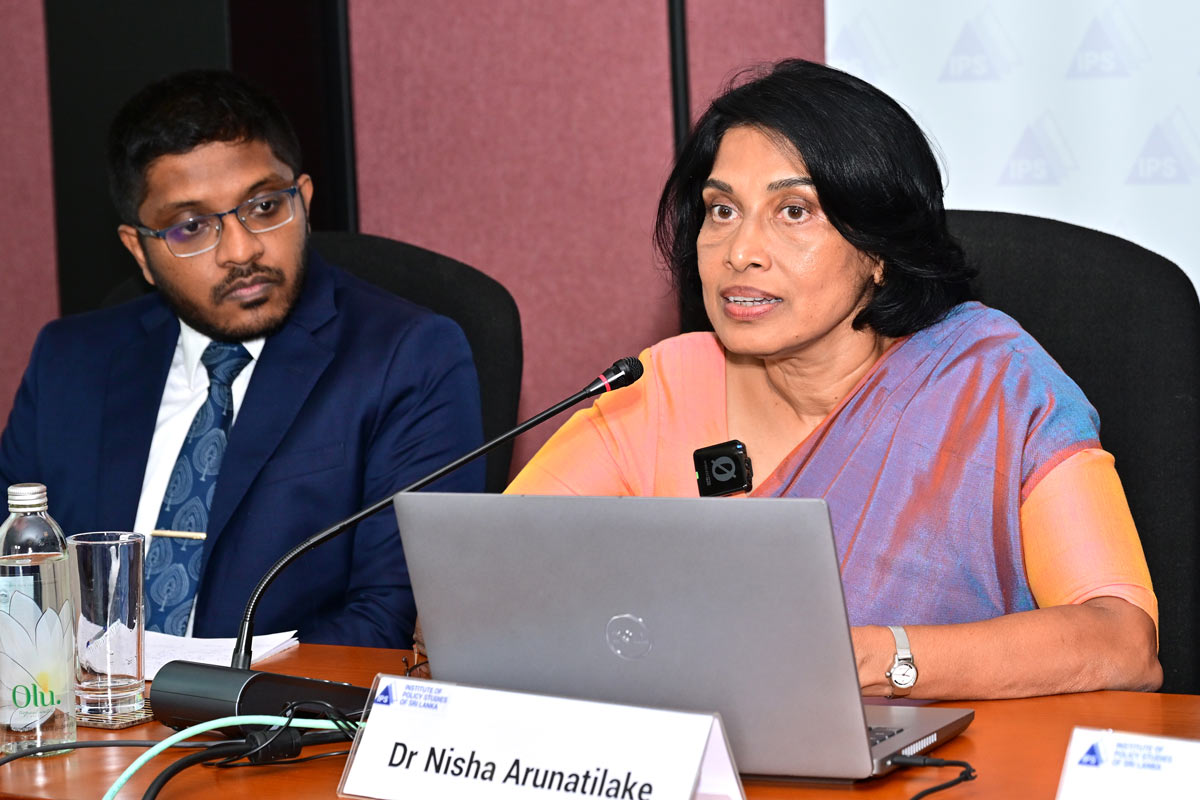
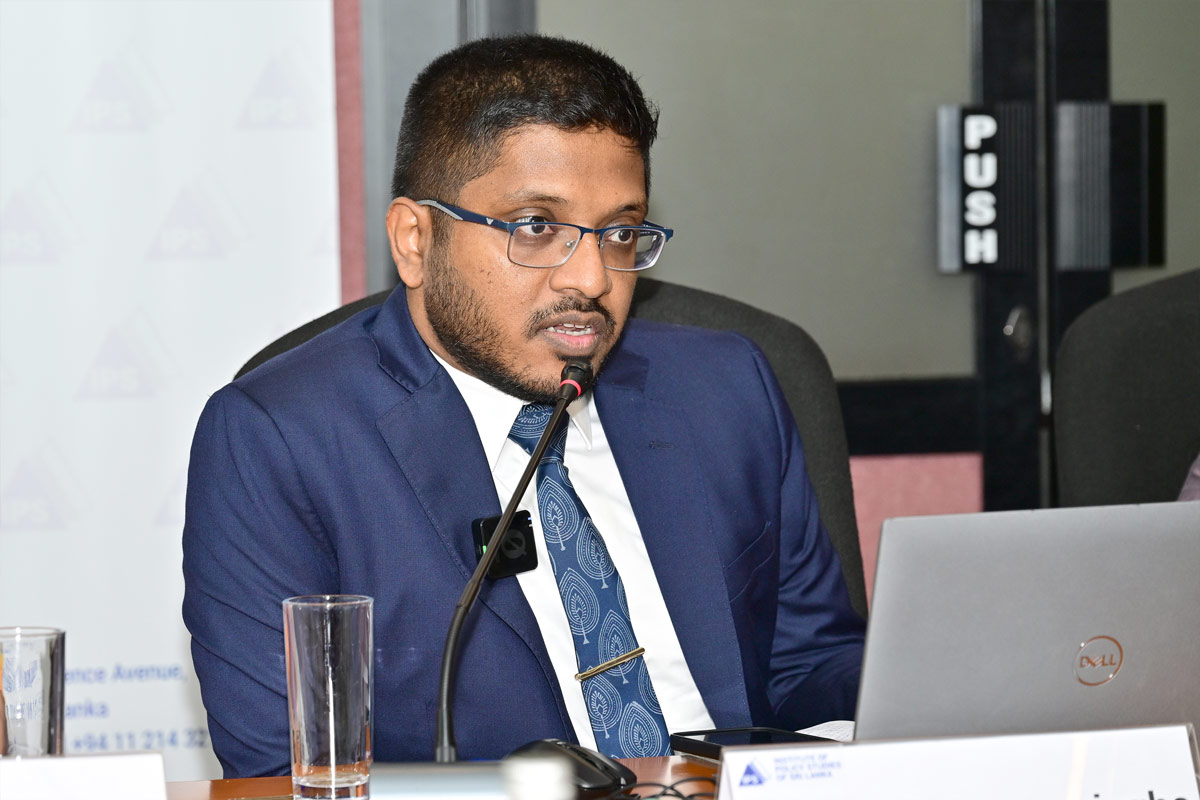
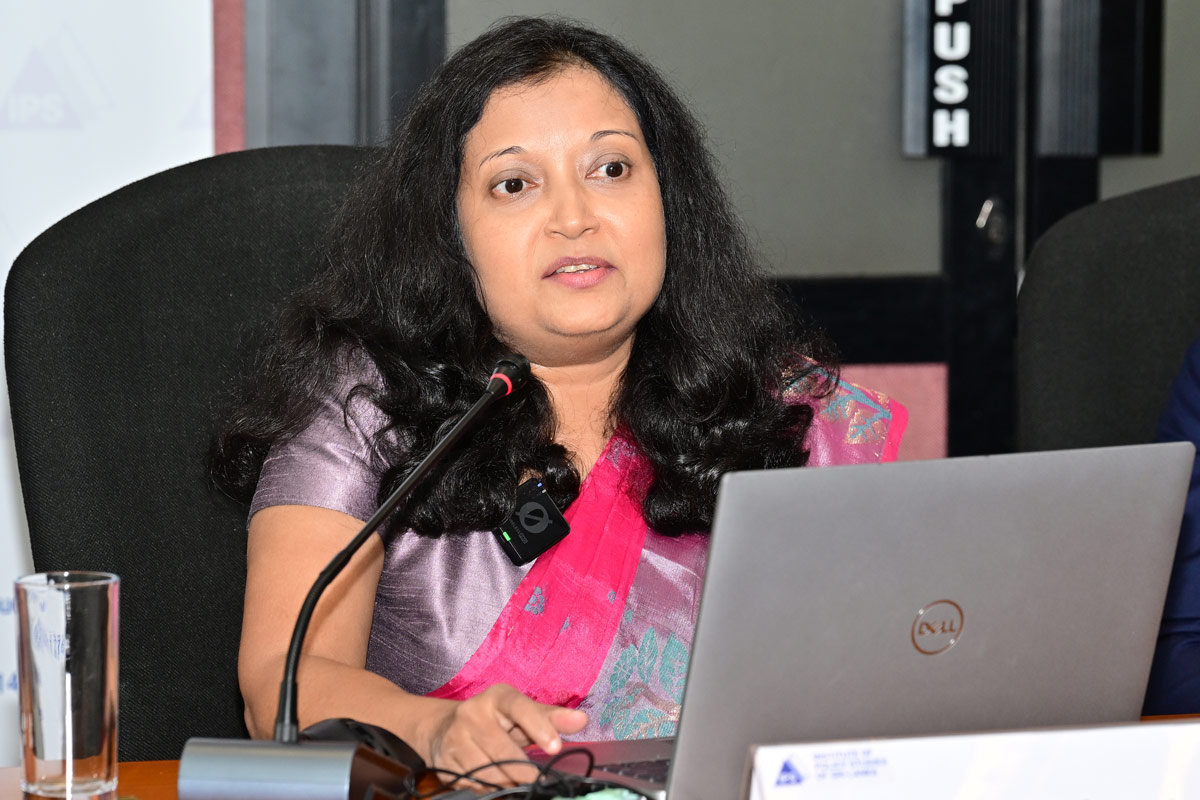
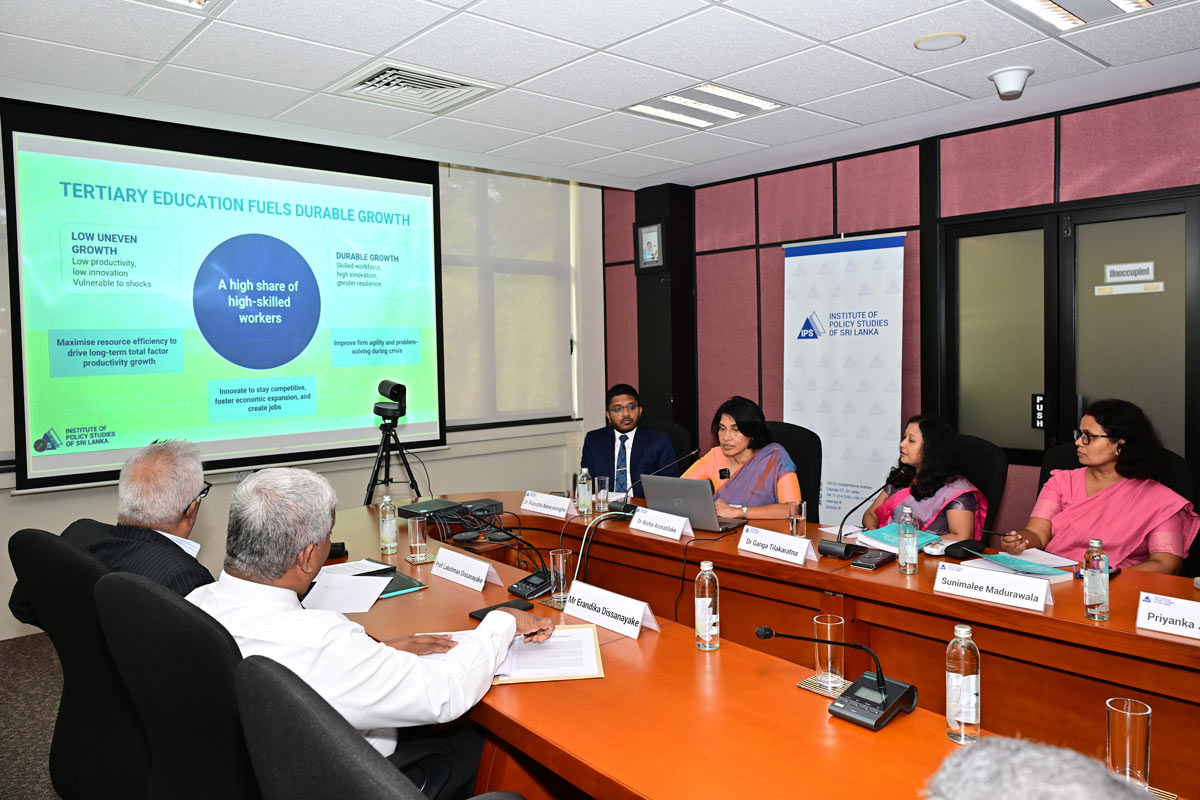
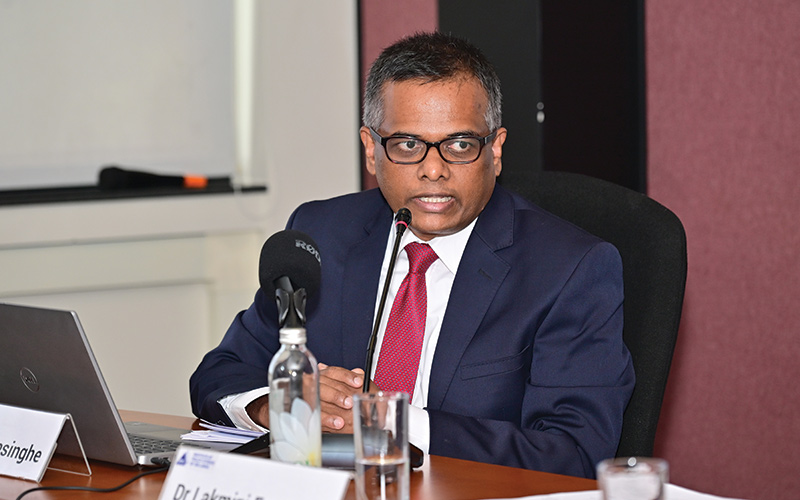
As Sri Lanka moves beyond economic recovery, sustaining durable and inclusive growth will require stronger investments in human capital, improved labour market outcomes, and reforms to strengthen education, healthcare, and social protection. Dr Nisha Arunatilake, Director of Research, Institute of Policy Studies of Sri Lanka (IPS), and Dr Pulasthi Amarasinghe and Dr Ganga Tilakaratna, IPS Research Fellows, discussed findings from the Sri Lanka: State of the Economy 2026 report at a roundtable discussion held on 20 October 2026, under the theme “Durable Growth: Advancing Human Capital for Inclusive Prosperity.”
Presenting on higher education for durable growth, Dr Nisha Arunatilake highlighted the importance of expanding tertiary education to build a skilled workforce capable of driving productivity, competitiveness, and innovation. “Sri Lanka must nearly double its tertiary enrolment ratio from 21% to 40% to match regional peers and invest in the balanced development of the tertiary sector, particularly short-cycle technical education where skills mismatches are largest,” she noted.
Addressing labour market challenges, Dr Pulasthi Amarasinghe observed that economic recovery has not yet translated into a full recovery in labour market outcomes. “Sri Lanka’s challenge is not simply to restore economic growth, but to ensure that growth generates productive, adequately compensated, and secure employment,” he stated. He underscored the importance of addressing skills mismatches, promoting formal employment creation, and strengthening income security to support durable and inclusive growth.
Speaking on social protection and resources required for Sri Lanka’s ageing population, Dr Ganga Tilakaratna stressed the need to strengthen systems that can better withstand future shocks. Speaking about the current social protection system, she noted, “Although the system was broadly pro-poor, with lower-income households having higher coverage, a considerable share of households in the bottom 40% remained outside the system.” Dr Tilakaratna also highlighted that a health system prepared for an ageing population is essential to realising the opportunities of the silver economy and supporting durable growth.
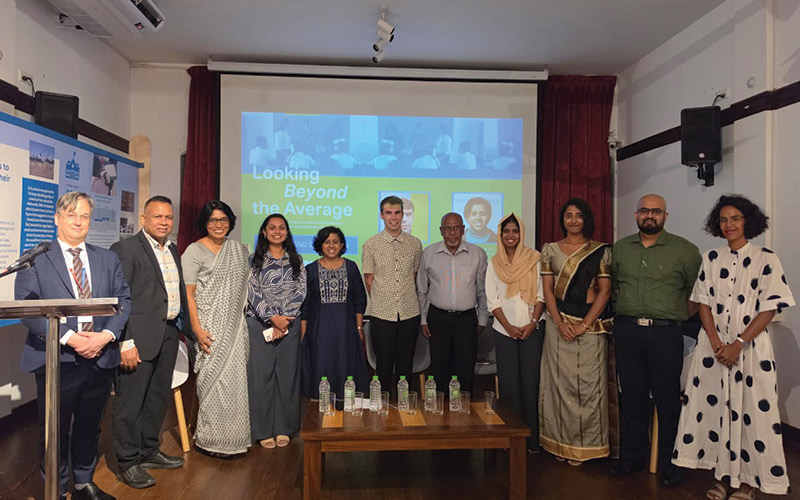
The discussion also included floor interventions from a panel of experts, namely Emeritus Professor Lakshman Dissanayake, former Vice-Chancellor of the University of Colombo; Emeritus Professor Tudor Silva of the University of Peradeniya; and Mr. Erandika Dissanayake, Director General of the Sri Lanka Export Development Board. The presenters also responded to questions and comments from participants, further elaborating on policy recommendations to strengthen human capital and support durable and inclusive prosperity in Sri Lanka.