

- Home
- Sri Lanka: State of the Economy 2026
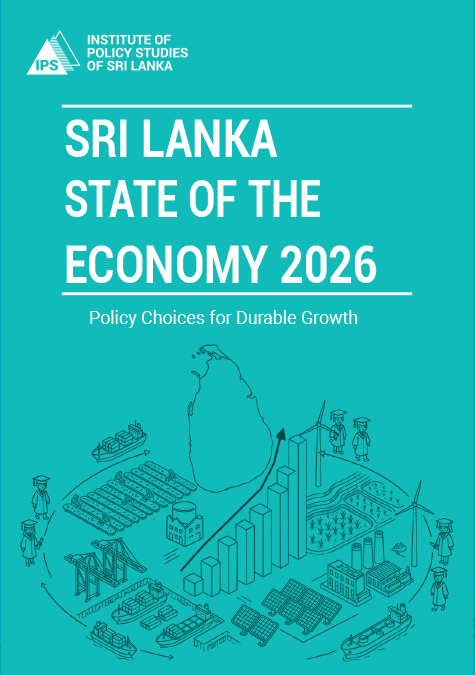
Policy Choices for Durable Growth
Sri Lanka has stabilised, with three consecutive years of growth, single-digit inflation for most of the recovery, and a completed debt restructuring. Steady progress under the IMF programme has restored a measure of confidence sooner than consensus expected in the immediate aftermath of the 2022 crisis. But stabilisation is only a platform for durable growth — and 2026 has tested how solid that platform really is. Durable growth goes beyond positive GDP growth: it must be sustained beyond rebound effects, built on productivity and investment, feasible within tight fiscal and external constraints, and felt by households who are still earning less in real terms than before the crisis.
Lingering effects of a cyclone, an oil price shock that doubled the fuel import bill within months, and an inflation rate that climbed from 1.6% to 7.3% in five months have shown how easily recovery-driven growth can be challenged. Amid these headwinds, revised growth estimates have diverged from the country's medium-term target of 7%, raising the question of whether Sri Lanka is merely growing again or growing differently, and underscoring the need for policy changes that strengthen the economy's resilience.
This year’s report follows this tension across the economy, from macroeconomic management and public finance to labour markets, education, health, social protection, energy, and climate resilience — asking not whether Sri Lanka can grow, but whether it can grow in a way that lasts.
Publication
Available for sale at IPS and leading bookshops island-wide.
Contact
Mob: 0776 099898
Tel: +94-11-2143 100 / +94 -11-2665065
Email: [email protected]
ISBN
978-955-7397-38-2
Published Year
2026
Price
LKR 4,000
