- Home
- IPS Researchers Visit Northern Coconut Triangle as Part of Crucial Step in National Plantation Expansion
Coconut cultivation has been a mainstay of Sri Lanka’s agriculture for a long time, providing direct livelihoods to nearly 700,000 people. The sector provides 13% of the country’s agricultural export revenues and ranks as one of the staple foods on the plate, contributing significantly to household expenditure. However, the growth of the sector has been limited by concerns such as the inelastic supply of coconuts for value-addition.
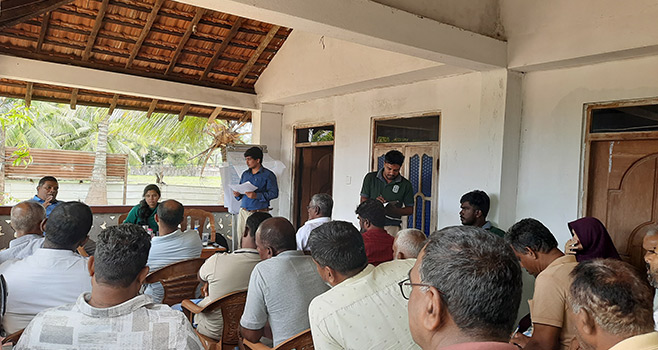
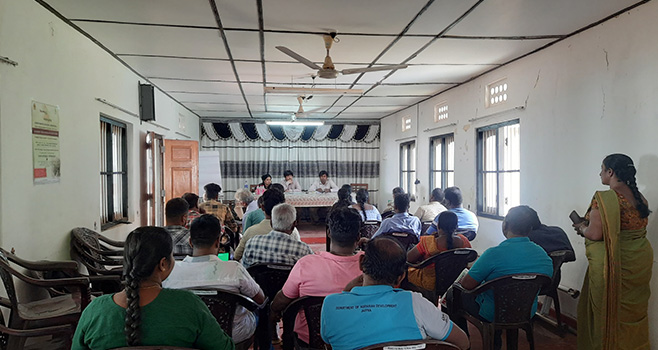
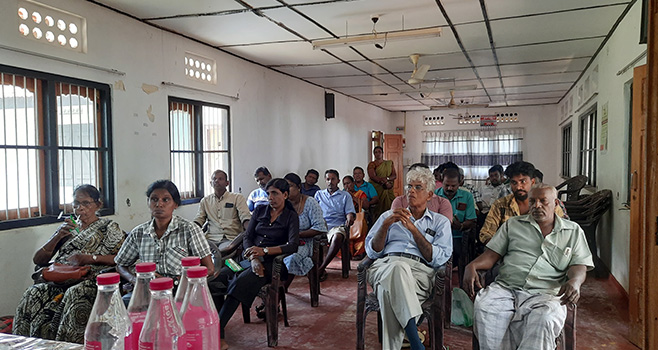
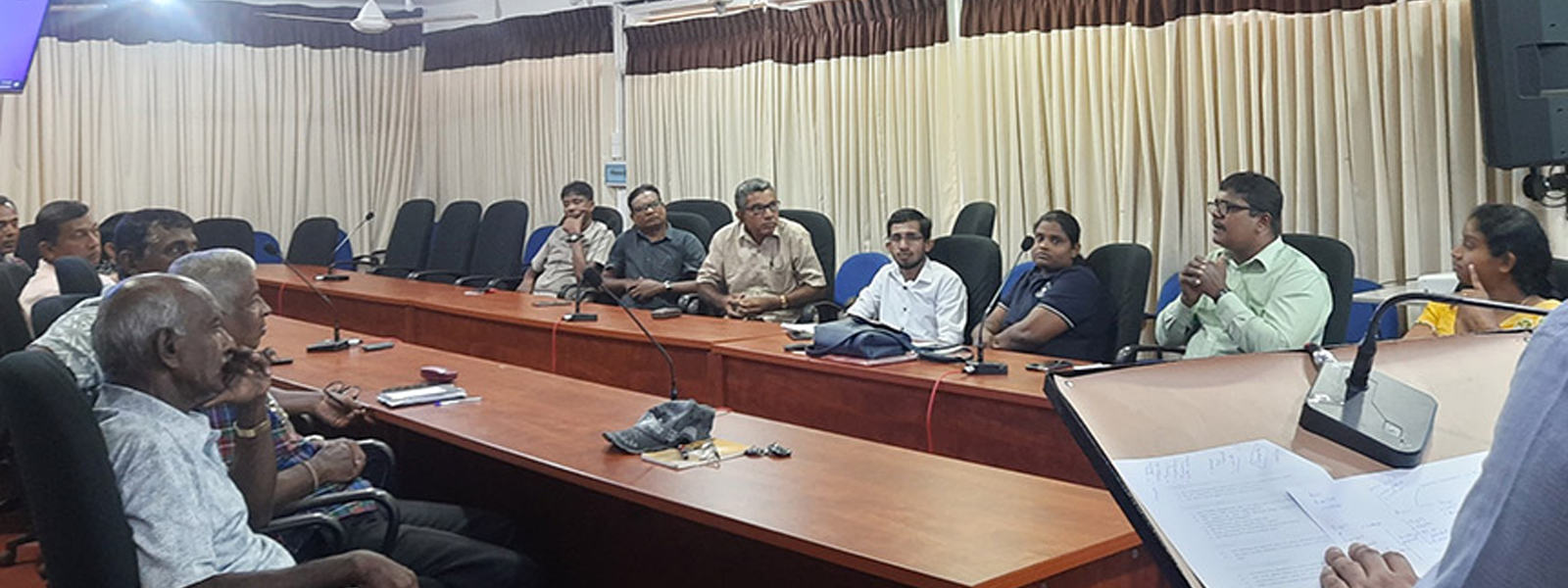
IPS Researchers Chandula Idirisinghe and Sulochana Silva field visit in the Northern Coconut Triangle, as part of a major plan to consolidate Sri Lanka’s coconut industry. The three-day trip, between 17th and 19th June 2025, covered the Jaffna, Mannar, and Mullaitivu districts, and was a crucial step towards the development of a national plantation expansion plan for the coconut industry.
This project targets planting 3.2 million new coconut trees on 50,000 acres and has some of the largest industry players, with over 60 coconut producers, collectors, and manufacturers in both the kernel and non-kernel sectors. These focus group meetings were part of an even larger initiative to frame Sri Lanka’s coconut industry, following similar consultations in Gampaha, Kurunegala, and Puttalam.
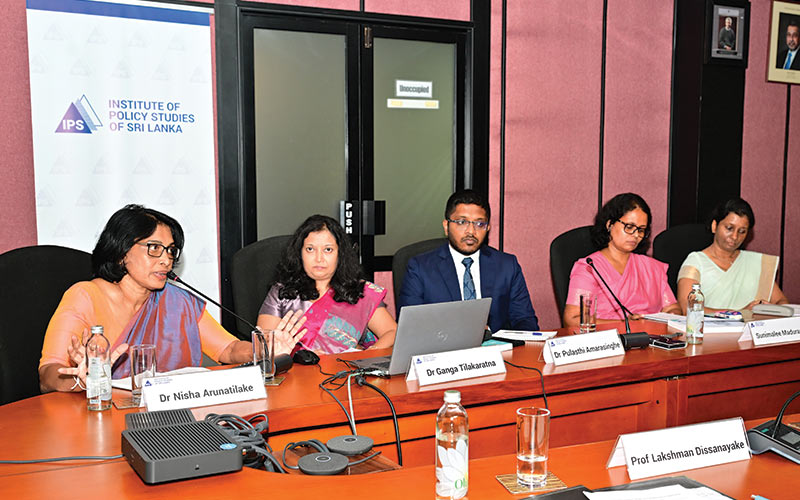
The project was undertaken by the Ministry of Plantation and Community Infrastructure, supported actively by UNIDO Sri Lanka’s BESPA_FOOD project. Together with the Institute of Policy Studies and the Ceylon Chamber of Coconut Industries (CCCI), the project aims to develop a complete 10-year National Roadmap for Coconut Sector Development, which is of high priority for the government.
The Northern Coconut Triangle project is intended to address these challenges, to expand cultivation and enhance the development of indigenous cottage industries. The exchange has also highlighted salient spatial concerns which will have to be tackled together as the project advances.
The discussions brought together around 60 stakeholders including growers, collectors, and manufacturers from both kernel and non-kernel industries. These follow earlier successful sessions in Gampaha, Kurunegala, and Puttalam, which engaged over 60 participants.