- Home
- IPS Research Highlights Barriers to Inclusive Migration and Remittance Benefits at Metropolis 2026
Research Theme: Labour Markets & Employment; Labour; Migration
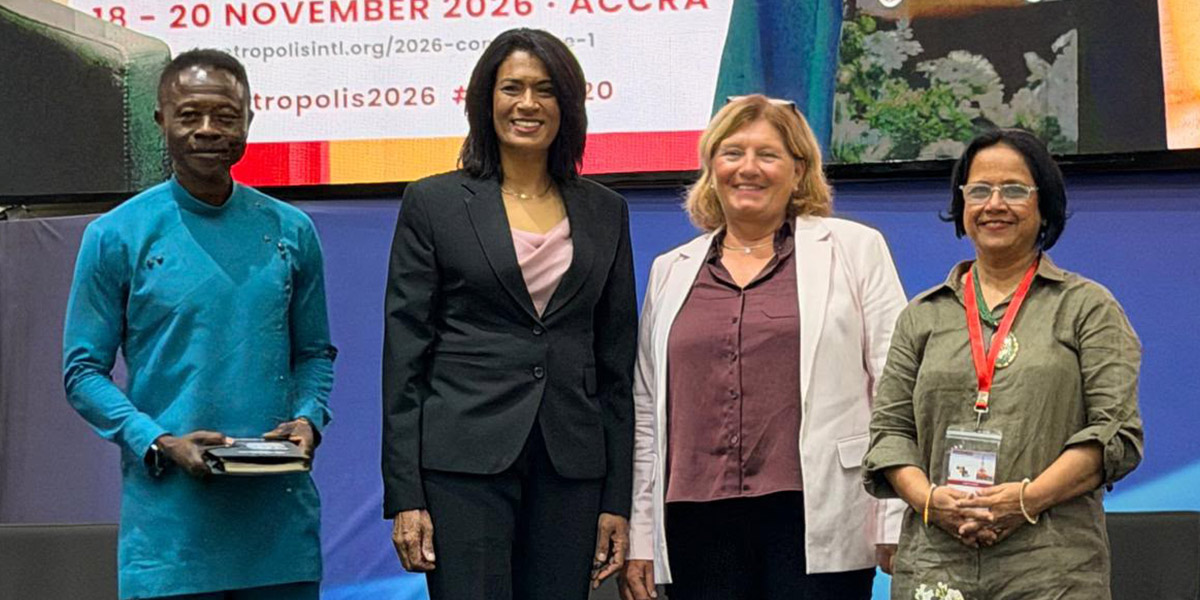
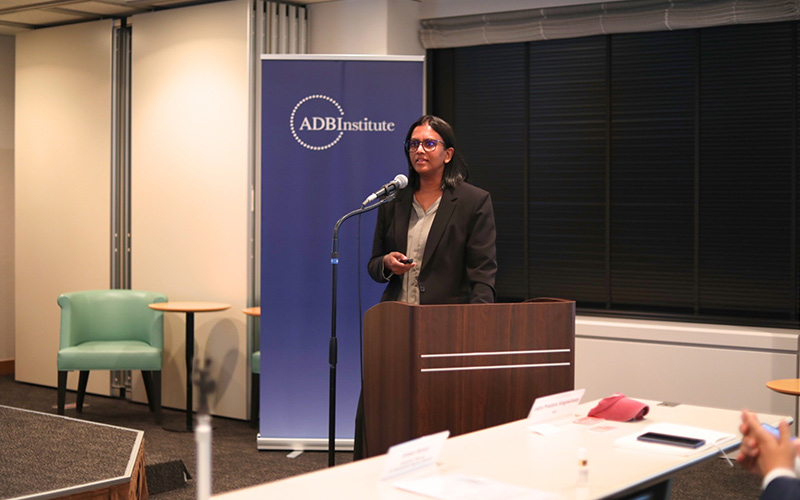
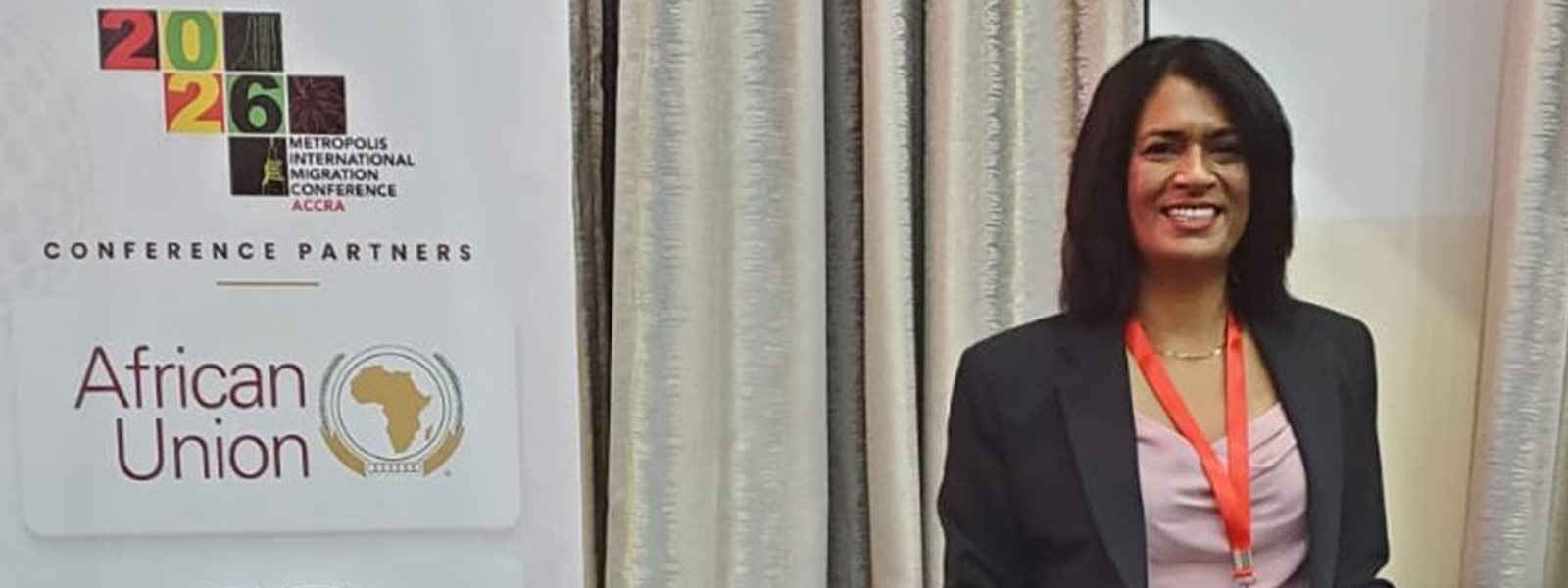
“Migration targets itself. People move where the gain is greatest, but self-targeting only works when the channel is open, affordable, and safe,” discussed Dr Bilesha Weeraratne, Research Fellow at the Institute of Policy Studies of Sri Lanka (IPS), at the 2026 Metropolis International Migration Network Conference held at the University of Ghana on 20 November 2026. Presenting her paper, “Migration and Development Under Constraint: Unlocking the Full Potential of Social and Financial Remittances for Inclusive Growth”, during a plenary session on migration, Dr Weeraratne examined how migration and remittances can better support inclusive growth.
Dr Weeraratne highlighted that migration and remittances often reach households and communities that are underserved by other development interventions. She explained that migration responds to both economic need and labour market demand, while remittances directly support household expenditure on education, healthcare, food, and housing, making them a unique channel for development.
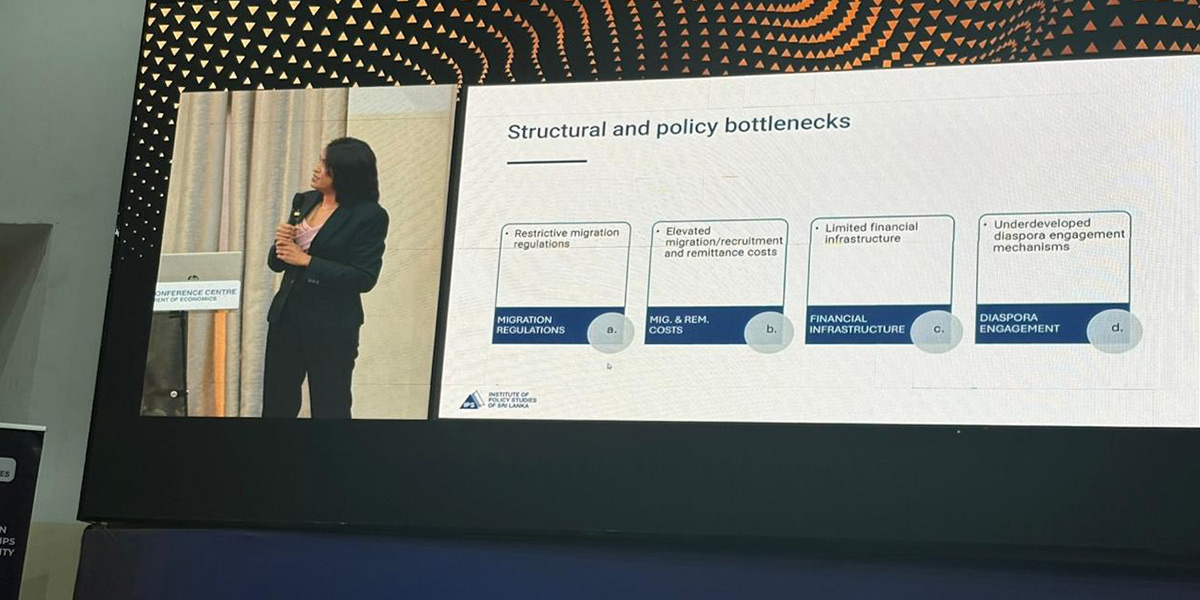
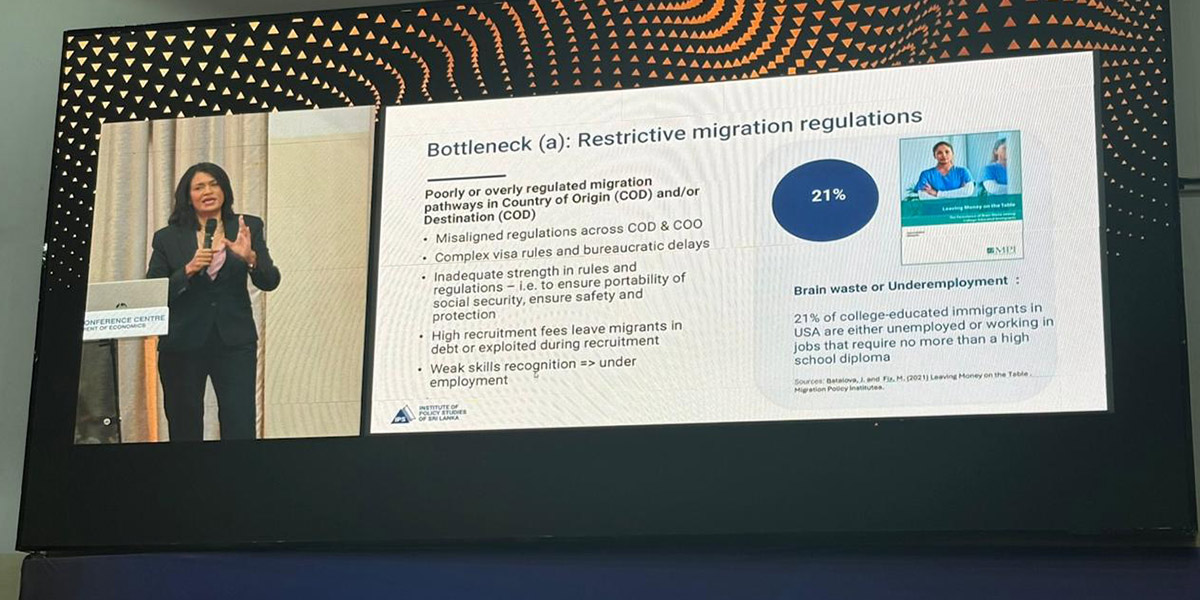
However, Dr Weeraratne noted that the benefits of migration and remittances are constrained by several structural barriers. “That is where the constraints and the issue of inclusivity come in,” Dr Weeraratne explained, identifying restrictive migration regulations, high migration and remittance costs, limited financial infrastructure, and underdeveloped diaspora engagement mechanisms as key challenges. “Are migration and remittances inclusive? Not yet,” she stated.
The presentation underscored the need for reforms to expand safe and affordable migration pathways, reduce transaction costs, strengthen financial infrastructure, and better engage diaspora communities. Addressing these barriers, Dr Weeraratne argued, is essential to unlocking the full development potential of both financial and social remittances.