- Home
- Dr Bilesha Weeraratne Called for Better MeDr Nisha Arunatilake Calls for Credible, Results Oriented Research at Regional Science-Policy Dialogue in Kathmanduchanisms to Combat Human Trafficking Within Sri Lanka
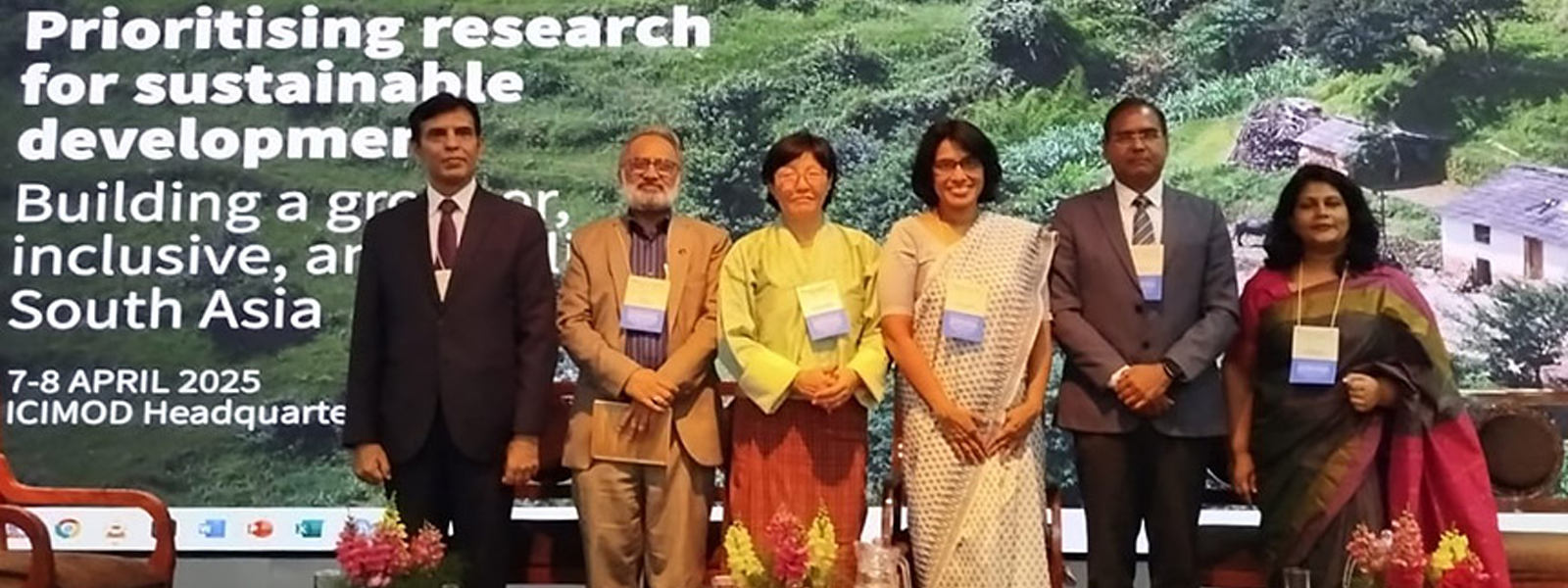
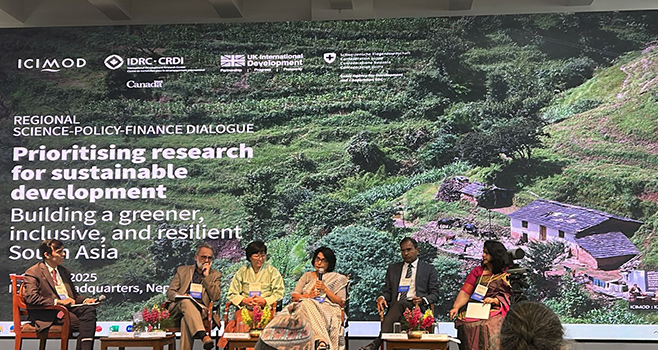
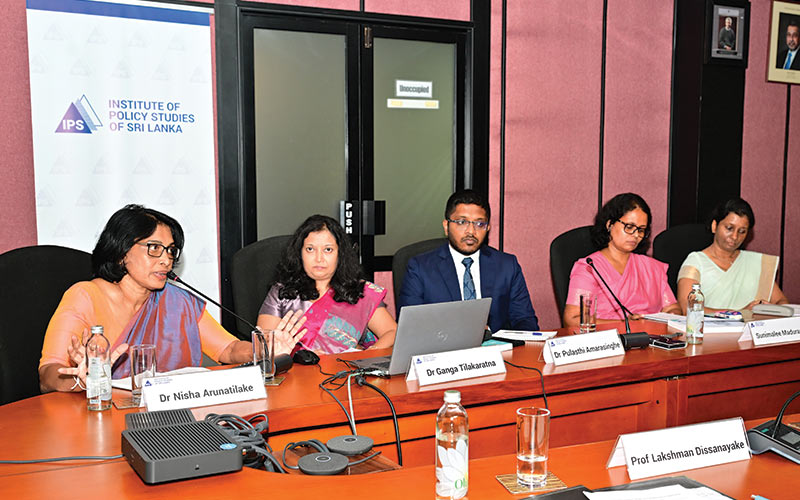
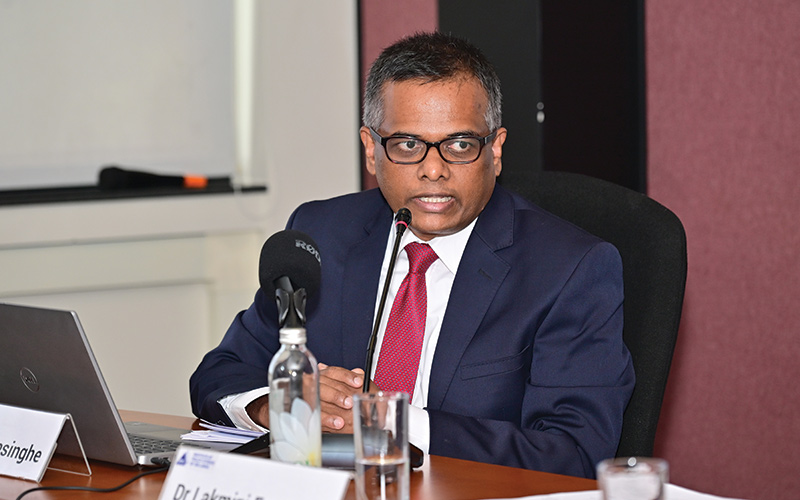
“For research institutions to remain credible and influential in national policy discussions, they should aim for research quality that is not just academically rigorous but also collaboratively developed and results-driven,” said IPS Director or Research Dr Nisha Arunatilake, at the Regional Science-Policy Dialogue on “Prioritising Research for Sustainable Development: Building a Greener, Inclusive, and Resilient South Asia,” in Kathmandu, Nepal.
Dr Arunatilake was one of the speakers at a panel discussion on “Navigating South Asia’s emerging research landscape: Balancing research priorities, independence, and impact.” She shared her insights on this topic along with other leading experts to explore solutions to address the twin challenges of increasing politicisation of the research landscape and a reduction in international funding for development research. She urged the legitimacy and applicability of research, pointed out that any findings or policy recommendations should be supported by research, and suggested that the findings be reframed to make them more appealing to local politicians and in line with government policy priorities.
Dr Arunatilake also said domestic think tanks should adopt the strategy of co-creation to ensure that research is relevant. To guarantee policy uptake and relevance, they should be aware of the stakeholders in a policy space and include them in the early stages of research guidance.
She urged that research be valued not only from an academic standpoint but also for their ability to influence policies for development impact. Since local networks and expertise are essential to guaranteeing the relevance and impact of policies, such shifts in research values will increase the participation of local academics and think tanks in development policy research.
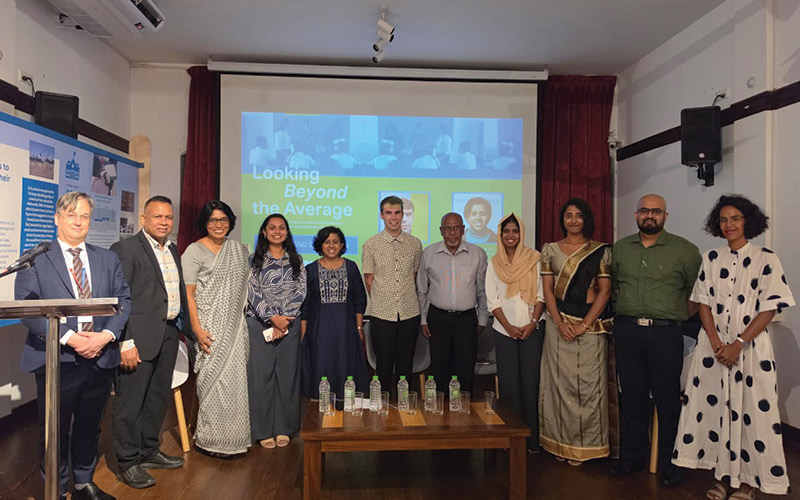
This regional dialogue aimed to foster collaboration among regional partners, disseminate key findings from recent studies, discuss science and policy gaps and identify research priorities to inform policy and practice for enhanced climate resilience, green economies and inclusive growth in the region.
This regional dialogue was organised by the International Centre for Integrated Mountain Development (ICIMOD) and the International Development Research Centre (IDRC).