- Home
- IPS Contributes to South and Southeast Asia Climate and Health Observatory

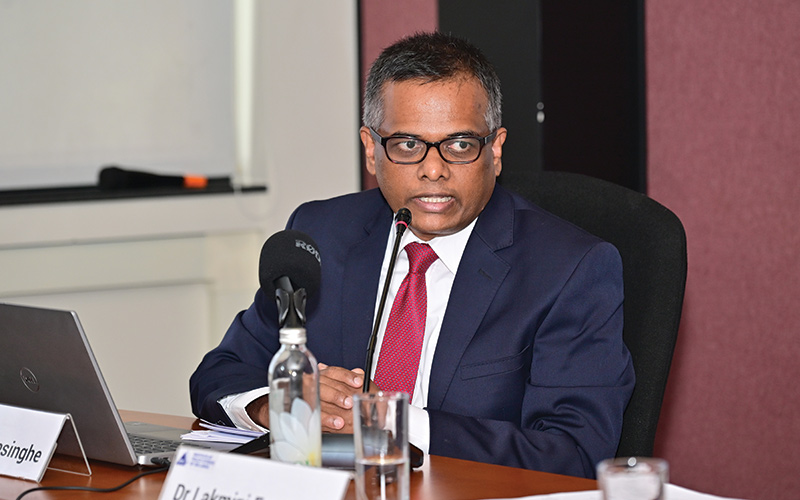
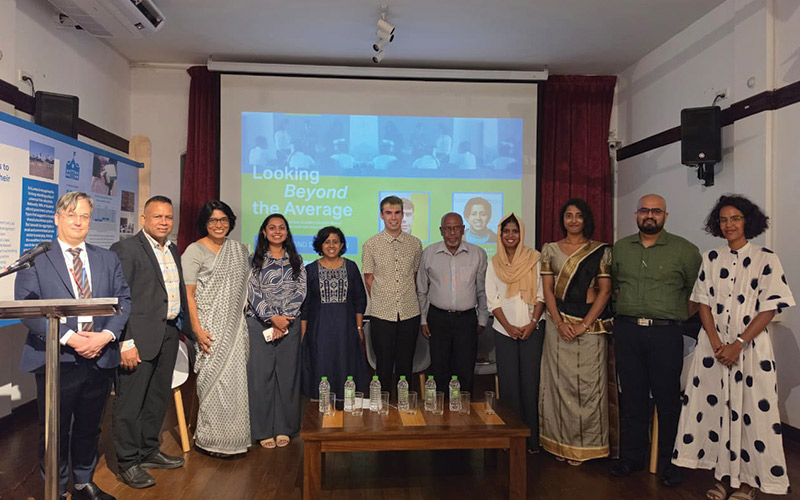
“We face a severe data deficit regarding how climate shifts directly exacerbate illnesses like cardiovascular disease, respiratory conditions, and chronic kidney disease,” noted Dr Nisha Arunatilake, Director of Research at the Institute of Policy Studies of Sri Lanka (IPS), during a session titled ‘Sri Lanka in the Spotlight — Setting the Research Agenda.’ Dr Arunatilake and Dr Pulasthi Amarasinhe, Research Fellow at IPS participated as resource persons at the Duke/Duke-NUS South and Southeast Asia Climate and Health Observatory, held on 1 June 2026. The Observatory brought together regional experts to examine the intersection of climate change and public health, with a focus on identifying research priorities and policy responses.
Dr Arunatilake highlighted critical gaps in evidence linking climate change to health outcomes. She emphasised the urgency of addressing these gaps and explained that the challenges extend beyond health systems to the agricultural sector. Compounding this crisis, traditional agricultural wisdom is becoming obsolete. Rapid environmental changes mean smallholders can no longer rely on ancestral knowledge to guide planting or crop selection. In addition, existing agricultural policies tend to prioritise high crop yields over actual nutritional value under conditions of climate stress.
Dr Arunatilake underscored that addressing these interconnected challenges requires a shift towards more targeted and evidence-based solutions. “The path forward demands urgent investment in data-driven, localised, and accessible adaptation strategies designed specifically to protect vulnerable smallholder communities,” she added.
The discussions at the Observatory reinforced the need for stronger regional collaboration, improved data systems, and context-specific policy interventions to mitigate the health and livelihood impacts of climate change across South and Southeast Asia.