- Home
- Making Public Policy Work for Women: Lessons from Sri Lanka’s COVID-19 Response
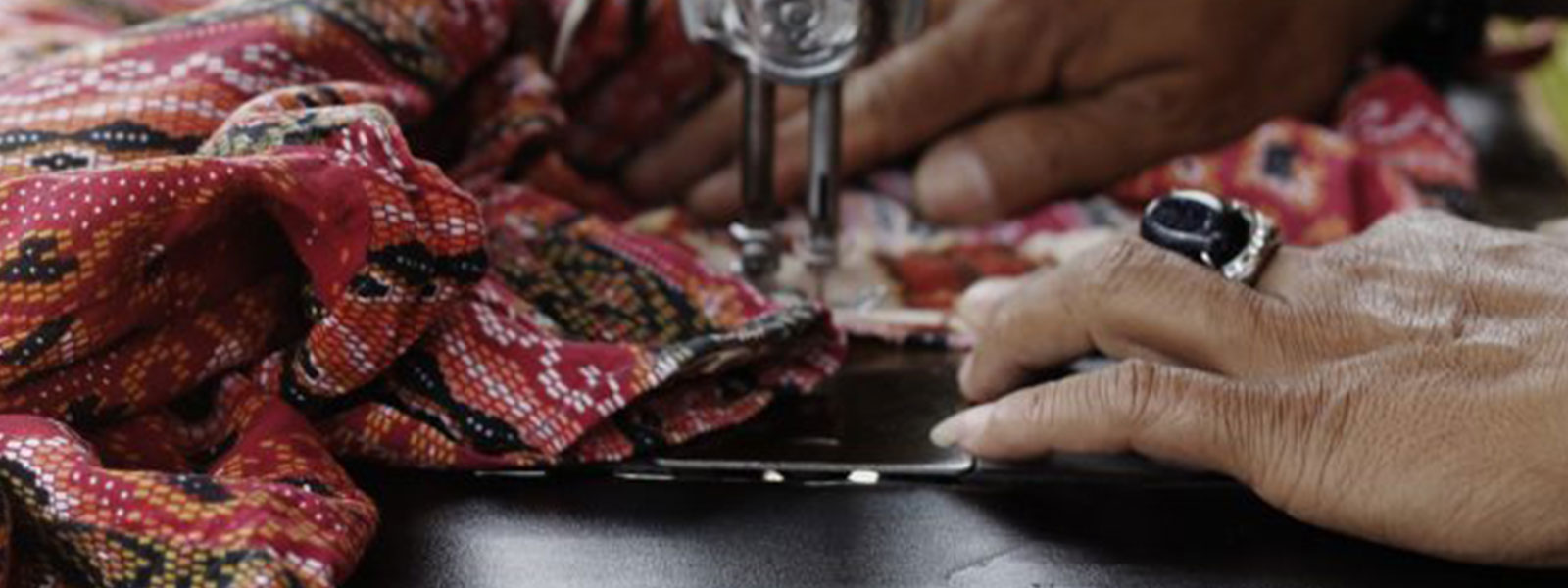
One night during the pandemic, Nishanthi, a garment factory worker living in a boarding house in Katunayake, was suddenly told by military officers to pack her belongings and leave with the other women. There were 54 of them in the boarding house. Earlier that day, two of her fellow boarders had tested positive for COVID-19. “We thought it was just an awareness meeting,” she recalled. “Then they told us to pack clothes for three days and warned us not to resist or leave, as military officers had surrounded the building. Two of our friends fainted from the shock.” Nishanthi and the others were first taken to Veyangoda and later transferred to the Kalutara Teaching School for quarantine. She eventually tested positive and spent 24 days in isolation.
For women like Nishanthi, quarantine brought added burdens. In the early stages of the pandemic, many quarantine centres lacked privacy, separate spaces, or even basic facilities to manage menstruation. These gaps made an already stressful and frightening experience even harder for women. Nishanthi’s experience serves as a reminder that public policy, particularly during a crisis, must reflect the diverse realities that women and men face. Public policy plays a crucial role in solving social problems and improving lives. However, to make a real difference, it must be timely, inclusive, and responsive to the specific needs of different groups, ensuring that no one is left behind.
This is particularly true during times of crisis. The COVID-19 pandemic didn’t just threaten health; it disrupted jobs, social relationships, and the daily lives of people. But the impact wasn’t the same for everyone. Women, in particular, were hit hard, and they were disproportionately represented in industries most affected by COVID-19, such as food service, retail, and entertainment, while also taking on increased caregiving responsibilities at home. These added pressures made life even harder and increased existing inequalities that women already faced. In Sri Lanka, women in the export-oriented apparel sector experienced many of these same pressures.
In response to the crisis, the Sri Lankan government acted quickly, introducing various public health and economic recovery measures. But were these policies truly inclusive? Did they consider women’s lived experiences? Were women meaningfully involved in shaping the response? To explore these questions, the Institute of Policy Studies of Sri Lanka (IPS) conducted a study examining how gender was considered—or overlooked—in Sri Lanka’s pandemic response. Nishanthi’s story is just one of many that emerged through this research. Drawing from interviews with a range of stakeholders, the study identified key lessons for more inclusive and equitable policymaking in the future.
What We Found
The Path Ahead for Gender-Responsive Policymaking
The COVID-19 pandemic revealed critical gaps in how policies are made and who they serve. Women face distinct challenges that are too often ignored in national responses. To build resilient and equitable public health systems, we must start by listening to women, valuing their experiences, and including them meaningfully in policymaking. True gender-responsive policymaking is not just about fairness, it’s about designing smarter, more inclusive policies that work for everyone.
This blog is based on the study on ‘A Participatory Study on Improving the Pandemic Policy Responses to Reduce Adverse Health Effects on Women Workers in the Export-Oriented Apparel Industry of Sri Lanka’ carried out by the Institute of Policy Studies of Sri Lanka with the National Planning Department of Sri Lanka, and the University of Ottawa, Canada. The study is funded under Women’s Health and Economic Empowerment for a COVID-19 Recovery that is Inclusive, Sustainable and Equitable (Women RISE), an initiative of the International Development Research Centre (IDRC), the Canadian Institutes of Health Research, and the Social Sciences and Humanities Research Council.