- Home
- Regional Consultations Hear IPS Insights on Social Protection and Resilience for Migrant Workers
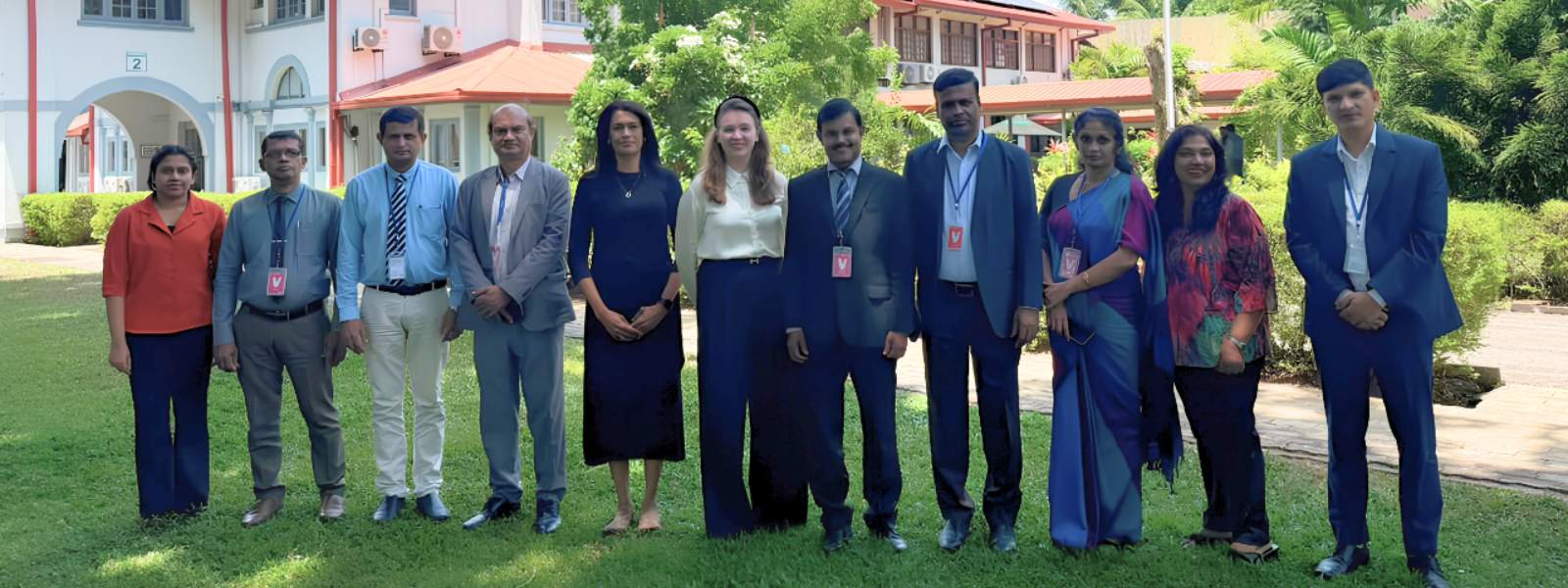
“While social protection for migrant workers should ideally provide comprehensive coverage throughout the migration cycle, recent crises highlight the importance of having clear return and repatriation mechanisms supported by predictable financing and shared responsibilities between sending and receiving countries,” noted Dr Bilesha Weeraratne, Research Fellow and Head of Migration Policy Research at the Institute of Policy Studies of Sri Lanka (IPS), discussing issues affecting Sri Lankan migrant workers at two consultations held in Colombo on 13 and 14 August 2026.
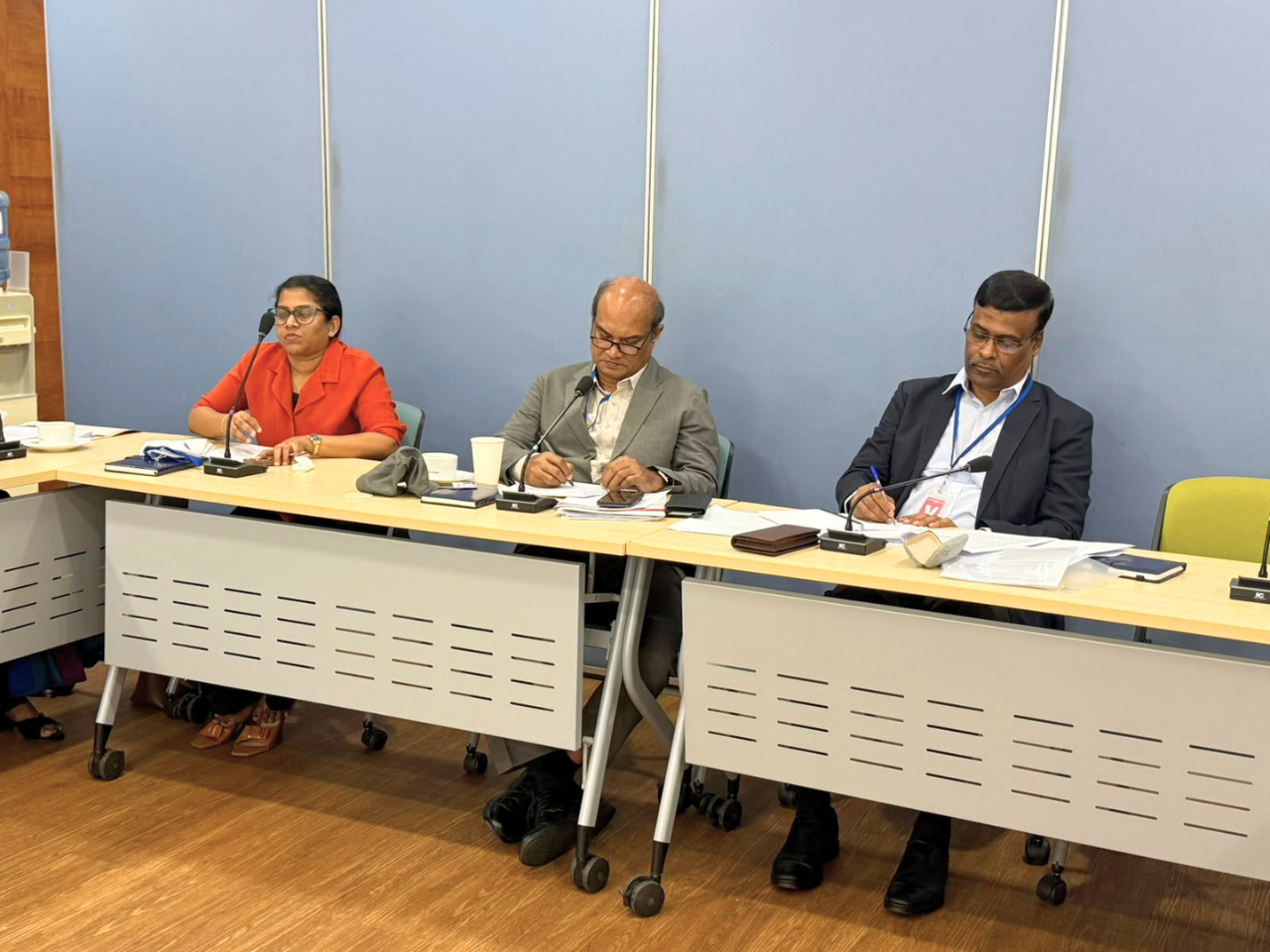
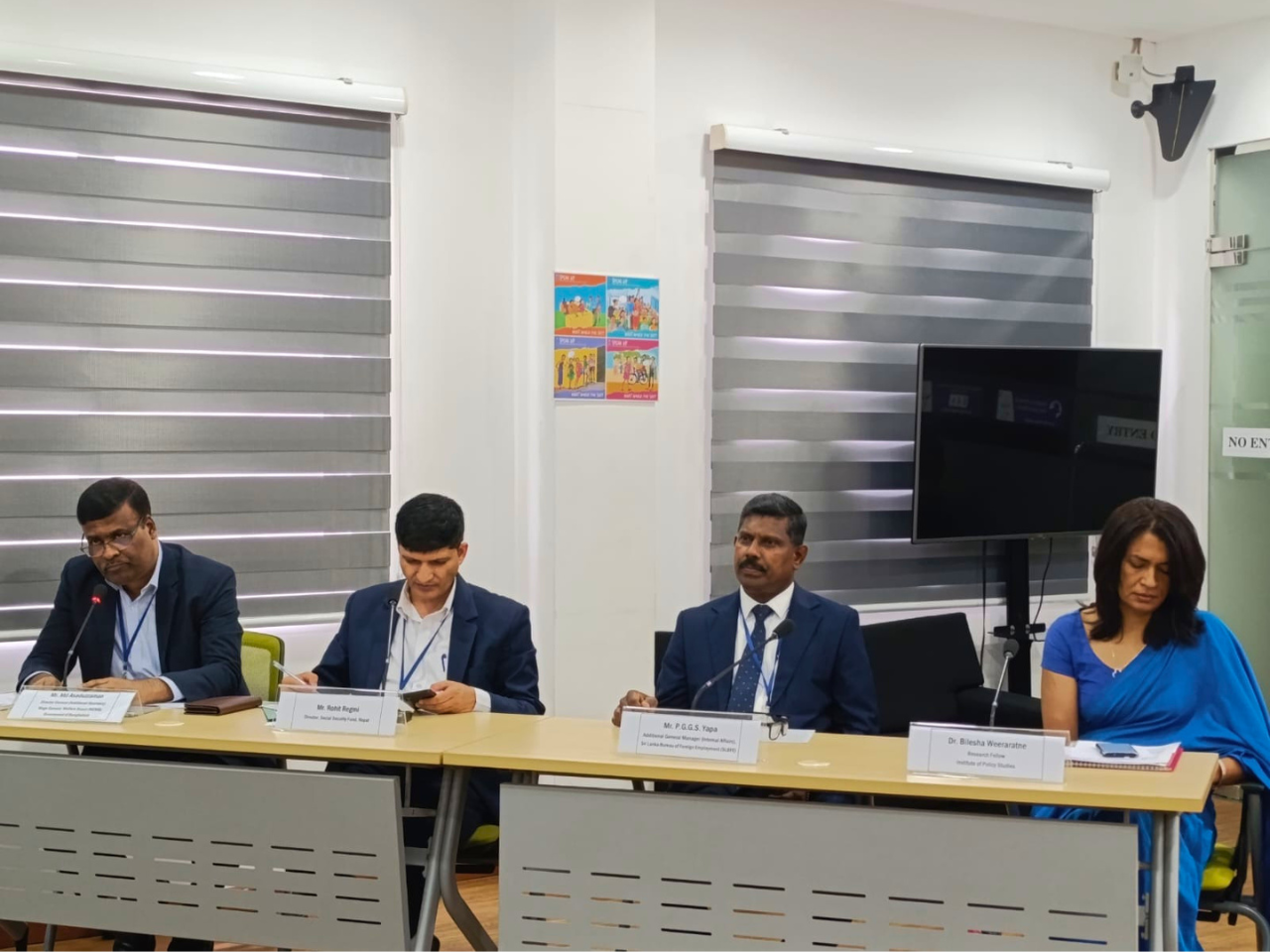
Dr Weeraratne and IPS Research Officer Yashora Gunawardena participated in the Regional Technical Consultation on Strengthening Social Protection for Migrant Workers Across the South Asia-GCC Labour Migration Corridor, organised under the ILO STREAM Programme, and the Stakeholder Consultation on the Middle East war situation and its implications for Sri Lankan migrant workers, convened by the National Science Foundation (NSF), the ILO Country Office and the Bandaranaike Academy for Leadership and Public Policy (BALPP). The consultations brought together policymakers, researchers, technical experts and country representatives to discuss social protection systems, preparedness mechanisms and regional priorities for migrant worker welfare.
At the consultations, Dr Weeraratne led a discussion on ‘The Political Economy of Social Protection for South Asian Migrant Workers and Opportunities for Strengthening Regional Coordination’. She drew on evidence from Nepal’s rapid expansion of Social Security Fund coverage for migrant workers since 2023 and the lessons it offers for the region. At the stakeholder consultation on the impact of the Middle-East crisis on Sri Lankan migrant workers, Dr Weeraratne discussed the limitations of unilateral approaches to migrant worker protection, emphasising the need for stronger regional coordination, sustainable financing arrangements and more resilient institutional mechanisms to support migrant workers and their families across the South Asia-GCC migration corridor.